
Because of the circumstances under which it was fashioned, on its own, it was a triumph of extraordinary proportions, but it meant even more from an overarching perspective.
Earlier this year, India celebrated the 25th anniversary of one of the most iconic Test series ever, a series like no other.
The average fan had lost faith in their heroes, not knowing what was fact and what was make-believe. Without the patronage of the average fan, of course, no sport can even survive, let alone flourish. The first Test was in Galle, as it generally is in Sri Lanka, and India ruled the exchanges for three whole days.
Indian cricket was ensnared in a mesh of shame and lack of trust after the match-fixing scandal broke out in 2000. Think also what it would have been like had India’s tour of Sri Lanka in 2015 been a two-Test affair, like it is this time around. At the time, India hadn’t won a series in this country since 1993.
It was Virat Kohli’s first full tour as Test captain in his own right, following the retirement some seven months previously from the five-day game of Mahendra Singh Dhoni.
That Australian side was as formidable as any Test cricket has witnessed. India, outclassed by ten wickets, were on a hiding to nothing. Where was the light at the end the tunnel? Did the tunnel even end?
Their fans, disillusioned and morose, feared a chastening, humbling, humiliating 3-0 rout, a fear that grew exponentially after India were shot out for just 171 in the first innings of the next Test at the Eden Gardens in reply to the visitors’ 445. Not even the fact that Harbhajan Singh had become the first Indian to take a Test hat-trick on the opening day of the match provided any solace as India began their second innings, 274 runs in arrears and facing another embarrassing loss. Their three team scores at that point were 176, 219 and 171.
There was a sea change in attitude and team culture, which manifested in convincing victories in the next two games and a fabulous 2-1 triumph that was the genesis of the six-match winning streak on which the team is currently sitting in this nation. Given that the World Test Championship has been in vogue since 2019 and there is no compulsion for teams to play more than two Tests, commercial considerations have driven most teams to stick to the bare minimum. But a greater standardisation of series will help ward off such loose talk, something Arjuna Ranatunga, the legendary Sri Lankan skipper who took the team to the 1996 World Cup crown, strongly espouses.
There is a greater demand for T20 Internationals, which is right now the goose that lays the golden eggs, and therefore two-Test showdowns have become the norm. Because south Africa did what they had to do within the ambit of the rules as they exist, that was an unkind cut,. That evening, the Indian dressing room shook with the reverberating aftershocks of the defeat. Now, what if that had been a two-Test series? How would Indian cricket have shaped up? “I’ve always believed that there should always be a possibility that a team that loses in the first Test should have the chance to come back. Sometimes, what happens is, in a two-Test match series, if you lose the first Test match, there is no chance for the other team to come back and win the series. The maximum you can do is to try and draw the series. “What’s this two-Test series about anyway? It’s so unfortunate, this World Test Championship is (just) another commercial venture.”
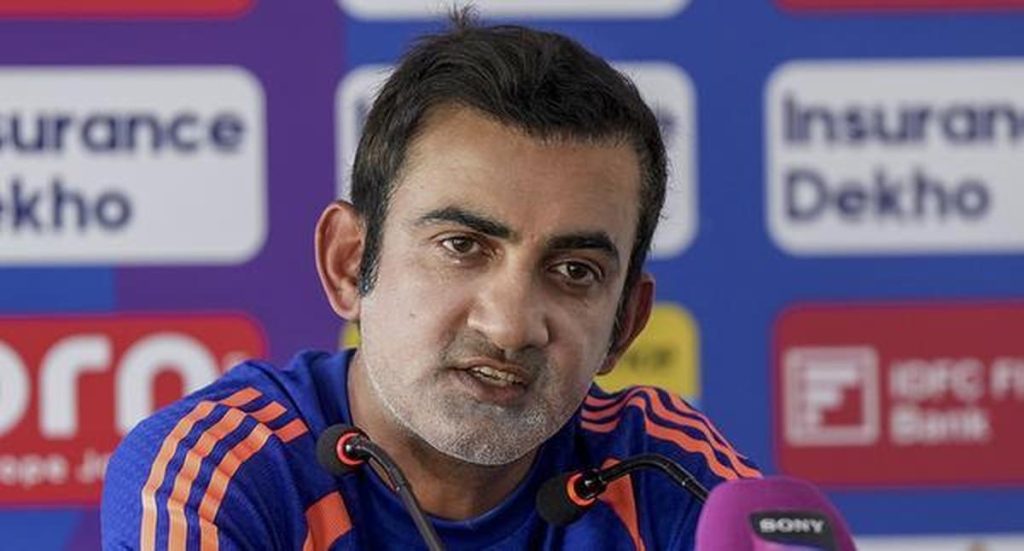
Harsh words were said, Kohli and then team director Ravi Shastri read the riot act, and Indian cricket took a massively significant step towards erasing its tag of being lambs overseas. “Ideally, I would want a three-Test series,” Gautam Gambhir, the India head coach, agreed ahead of the ongoing second Test in Colombo. “For me, playing a Test tournament is not the criterion, it’s all about playing bilateral Test matches, playing three- and five-Test series,” Ranatunga told this writer a few days back.
Why, one of the unfounded criticisms against South Africa’s march to the WTC final (and eventually the title) last year was that they had shaped their success around two-match faceoffs.